


A storage unit costs roughly $40 a month for the smallest locker and $250 or more for the largest drive-up unit, with a 10×10 sitting near $100 to $150 nationally in 2026, according to Alan’s Factory Outlet and Storage Atlas.
Northern Virginia does not sit on the national average. Listings around Alexandria, Fairfax, and Woodbridge run anywhere from about $65 to well over $300 for the same 10×10, depending on the facility and whether it is climate controlled.
That spread is the whole story. This guide covers what each size costs, what actually fits inside it, what climate control adds, and the fees that do not appear on the sign out front.
Storage Unit Cost by Size
Size drives price more than anything else. These are 2026 national ranges, useful for planning rather than as a quote.
| Unit size | Square feet | Typical monthly cost |
|---|---|---|
| 5×5 | 25 sq ft | $40 to $70 |
| 5×10 | 50 sq ft | $50 to $120 |
| 10×10 | 100 sq ft | $100 to $150 |
| 10×15 | 150 sq ft | $130 to $200 |
| 10×20 | 200 sq ft | $150 to $250 |
The 10×10 is the most commonly rented size and the one most quoted. Yardi Matrix data cited by storage pricing sites puts a non-climate 10×10 at about $119 a month and a climate-controlled one at about $134.
What Actually Fits in Each Unit Size
Square footage means little until you picture the contents. Here is the practical version.
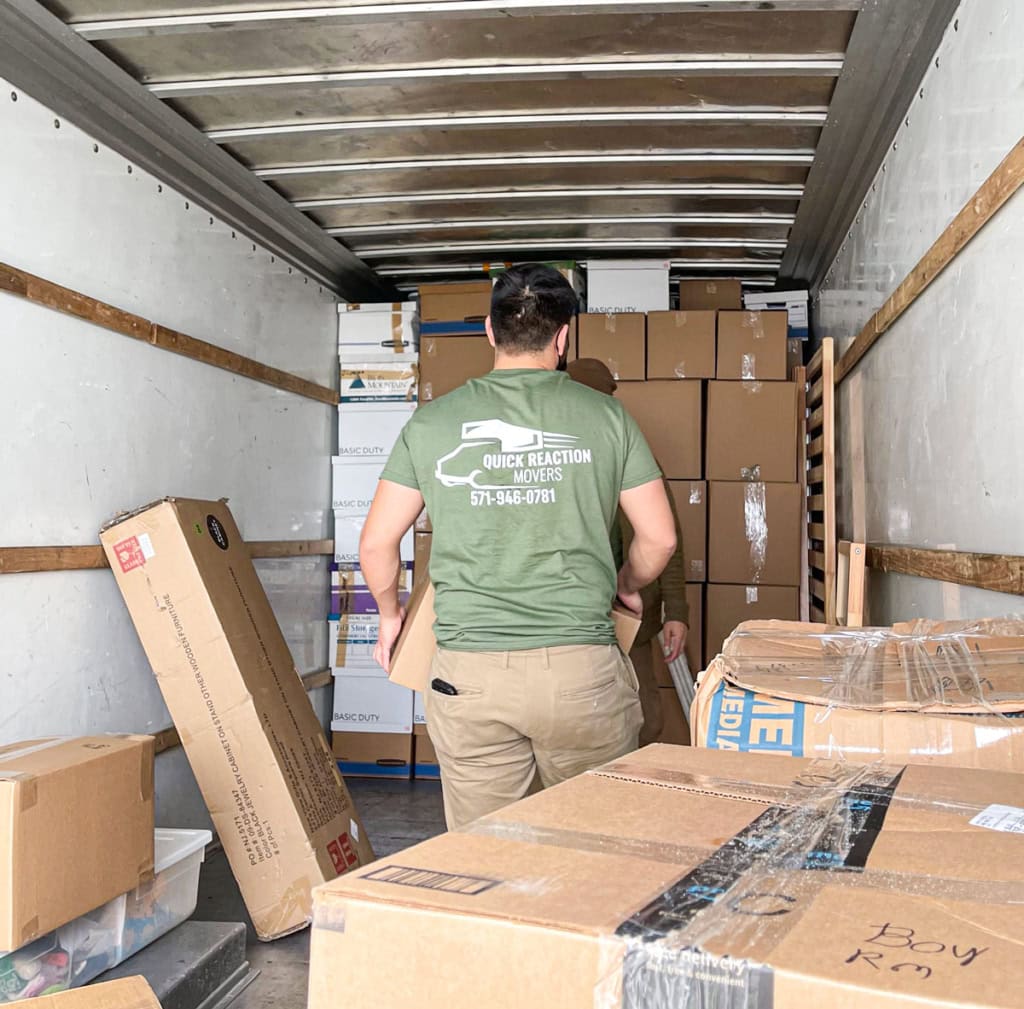
5×5 – a walk-in closet. Boxes, seasonal decorations, a bicycle, a few small pieces of furniture.
5×10 – a studio apartment’s worth. A mattress set, a dresser, a sofa, and twenty or so boxes.
10×10 – a one or two bedroom apartment. Living room furniture, a bedroom set, appliances, and boxes.
10×15 – a two or three bedroom home. Add a second bedroom, a dining set, and larger appliances.
10×20 – a three or four bedroom house, or a car. This is the size of a single-car garage.
Most people rent one size too large because they have not sorted first. Working through downsizing room by room before you measure usually moves you down a size, and a size down is $40 to $60 a month for as long as you rent.
What Climate Control Adds
Climate control typically adds 20 to 50 percent to the monthly rate for the same size unit.
In Northern Virginia it is worth more than that premium for the right contents. Summers here are humid and long, and unconditioned units swing with the weather outside.
Wood furniture, leather, electronics, musical instruments, photographs, documents, artwork, and anything upholstered all belong in a climate-controlled unit. Wood warps and joints loosen, leather cracks, and paper and photographs take up moisture and stick.
Garden tools, patio furniture, car parts, and plastic bins of non-fragile goods do not need it. Splitting your belongings across a small climate-controlled unit and a larger standard one is often cheaper than putting everything in the expensive one.
What Storage Costs in Northern Virginia
Local rates sit above the national average and vary hard by the mile.
Listing data gathered by RentCafe shows 10×10 units in Alexandria from around $118 at one facility to $325 at another, with Yardi Matrix street-rate averages for the city running higher still. SpareFoot lists Fairfax 10×10 units starting near $65, and Woodbridge listings fall between the two.
Proximity to Metro and to the Beltway is most of that difference. Facilities inside the Beltway price like the land they sit on, and driving fifteen minutes further out frequently saves $80 a month.
Advertised rates are also introductory on many sites. The figure on the banner is often the cheapest unit of any size at that facility, not the size you came for.
The Fees That Are Not in the Headline Price
The monthly rate is rarely the whole bill. Budget for these before you sign.
Administration fee – a one-time charge of $20 to $30 at most facilities.
Insurance – usually required, and typically $10 to $30 a month depending on declared value.
Lock – $15 to $25 if you buy theirs, and some require a specific type.
Late fees – commonly charged after a short grace period.
Rate increases – the most expensive one. Introductory rates are routinely raised after three to six months.
Ask directly what the rate will be in month seven. That answer, not the move-in special, is what you are actually agreeing to pay.
Self Storage or Moving Company Storage
Self storage and mover-held storage solve different problems, and the cheaper one depends on which problem you have.
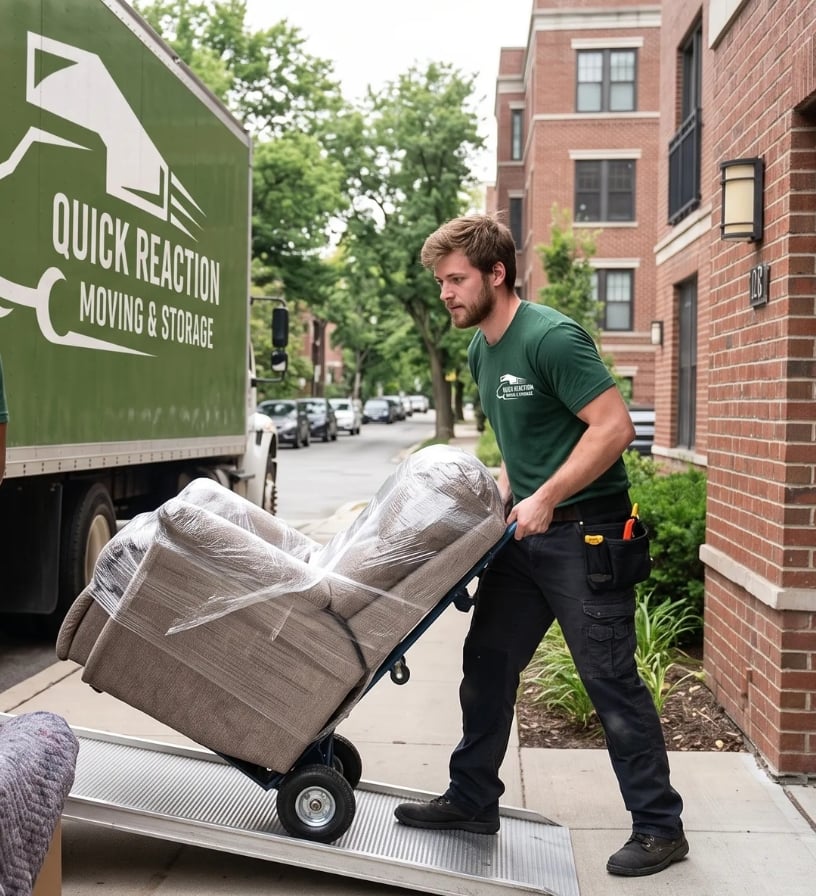
Self storage suits long-term keeping, and anything you need regular access to. You drive there, you load it yourself, and you get in whenever the gate is open.
Storage with your mover suits the gap between closings. Your things are loaded once, held, and delivered to the new address, rather than being handled into a unit and out of it again later.
That second handling is the hidden cost people miss. Two extra loads of an entire household often costs more in labor than several months of a unit, which is why a closing that slips by three weeks is usually cheaper with a mover than with a rented unit.
How to Pay Less for Storage
A few decisions make most of the difference.
Sort before you rent rather than after. The unit size is set on the day you move in, and the rate follows it for as long as you stay.
Pack properly and stack high. Uniform boxes stack to the ceiling and a 10×10 holds far more than most people get into it, with packing services doing that work if you would rather not.
Look slightly further from the Beltway and from Metro. Ask about prepaying several months, which some facilities discount, and ask what the rate rises to after the introductory period before you commit.
Storage With Quick Reaction Moving and Storage
We run warehouse storage out of our Lorton facility for households between homes, deployments, and closings that have not landed yet.
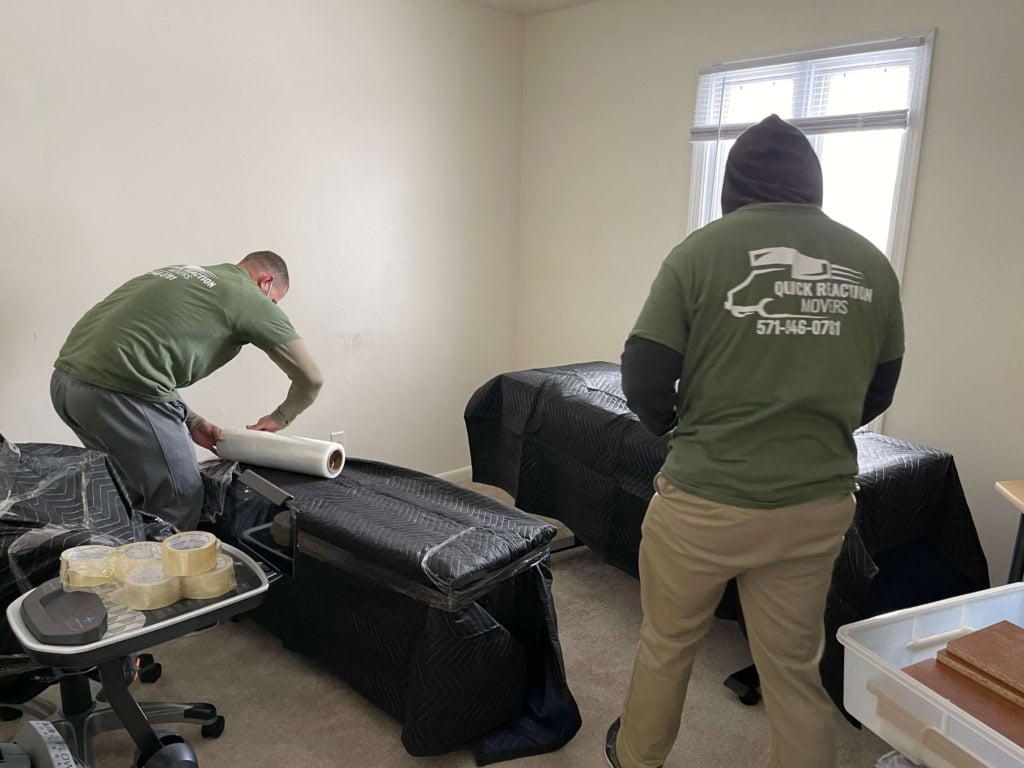
Your belongings are inventoried as they are loaded, held, and delivered to the new address by the same movers who packed them. There is no second handling into a rental unit and no self-storage contract to break when your dates change.
Ours is a veteran-owned operation working out of Lorton, fully licensed and insured, Certified ProMover accredited, and graded A+ by the BBB with 4.8 stars from over 200 reviewers. Shorter moves inside the region are handled by our local movers.
Ask for a free estimate or call (571) 946-0781. Tell us your dates and what needs holding, and we will price the move and the storage together.


